



Showing 1 - 12 of 60 results
Electric water heaters
Electric Water Heaters
Buy a hot water cylinder?
Looking for a reliable and energy-efficient way to enjoy hot water whenever you need it? At Waterheater.shop, you will find a carefully selected range of electric water heaters for kitchens, bathrooms, flats, holiday homes, offices and commercial premises. From compact under-sink models to large-capacity electric storage water heaters, there is a suitable solution for almost every hot-water requirement.
An electric water heater stores and heats water using electricity, making it an excellent choice for properties without a gas connection or locations where a separate hot-water supply is required. Choose from compact, vertical, horizontal, flat and smart Wi-Fi models in a wide variety of capacities.
Find the right electric water heater for your property
Electric water heaters offer a practical solution for both complete homes and individual taps. They are easy to use, available in many different sizes and do not require a gas supply. This makes them particularly suitable for apartments, extensions, garden rooms, workshops, offices, static caravans and other locations where installing a conventional gas boiler may be impractical.
Our range includes electric water heaters from trusted brands such as TTulpe, Eldom and Thermex. Depending on the model, useful features may include electronic temperature control, Wi-Fi connectivity, dry heating elements, frost protection, energy-saving modes and compact space-saving designs.
Whether you need a small amount of hot water for washing your hands or sufficient capacity for several showers, choosing the correct size is essential for comfort and energy efficiency.
What is an electric storage water heater?
An electric storage water heater consists of an insulated tank in which water is heated and kept at the selected temperature. When a hot tap is opened, the heated water is supplied from the tank. The appliance then heats the incoming cold water again so that a new supply is available.
Good insulation helps reduce heat loss while the water is being stored. Modern electric water heaters also use thermostatic controls to prevent the heating element from operating continuously. Once the selected temperature has been reached, heating stops automatically and restarts only when necessary.
Unlike an instantaneous water heater, a storage model keeps a predetermined volume of heated water ready for use. This makes it particularly suitable for applications where a stable supply of hot water is required or where the available electrical connection cannot support a powerful instantaneous heater.
What size electric water heater do I need?
The right capacity depends on how much hot water you use, how many people live in the property and whether the appliance will supply a sink, shower, bath or several outlets.
Small electric water heaters: 7 to 15 litres
A small electric water heater is ideal for a kitchen sink, washbasin, utility room, office kitchenette or workshop. Compact under-sink and over-sink models provide hot water close to the point of use, reducing the need for long pipe runs.
A 10-litre or 15-litre electric water heater is generally intended for light use at one outlet. These models are not normally designed to supply a household’s complete hot-water demand.
30-litre electric water heaters
A 30-litre electric water heater provides more capacity while remaining relatively compact. It can be a useful option for a studio, holiday property, salon or other location with moderate hot-water requirements. Suitability for showering depends on the selected water temperature, shower flow rate and desired shower duration.
50-litre electric water heaters
A 50-litre electric water heater is a popular space-saving choice for one person or for properties with limited hot-water consumption. Flat or compact models can be especially useful where installation space is restricted.
80-litre electric water heaters
An 80-litre electric water heater can provide a practical balance between available hot water and physical size. It may be suitable for one or two people, depending on shower habits, water temperature and overall consumption.
100 to 150-litre electric water heaters
Larger households and properties with several hot-water outlets may require a 100-litre, 120-litre or 150-litre electric water heater. These capacities offer a larger reserve of hot water for showers, washing and everyday household use.
200 to 300-litre electric water heaters
A 200-litre or 300-litre electric water heater is designed for high hot-water demand. Larger capacities may be suitable for families, commercial premises or installations where several people need hot water within a relatively short period.
These recommendations are general guidelines. Actual requirements depend on usage, incoming water temperature, thermostat setting, available electrical power and the time allowed for reheating.
Vertical, horizontal or flat electric water heater?
Electric water heaters are available in several installation formats. Selecting the right design allows you to make efficient use of the available space.
A vertical electric water heater is installed upright and is one of the most common options. Vertical models are available in both compact and large capacities.
A horizontal electric water heater is useful when there is insufficient wall height for a vertical appliance. It may be installed high on a wall or in another suitable horizontal position, provided the model is specifically designed for horizontal mounting.
A flat electric water heater uses a shallower casing than a traditional cylindrical tank. Many flat models contain two internal tanks, which can improve installation flexibility and provide a slimmer appearance.
Always install the appliance only in an orientation approved by its manufacturer. Mounting a vertical-only model horizontally can affect its operation, available hot-water capacity and safety.
Under-sink and over-sink water heaters
Small water heaters are generally divided into under-sink and over-sink models. Although they may look similar, they are not automatically interchangeable.
An under-sink water heater is designed to be installed below the outlet, while an over-sink model is intended for installation above it. The pipe connections and internal design are configured for the specified mounting position.
It is also important to distinguish between vented and unvented models. Some compact water heaters require a special open-outlet tap, while pressure-resistant appliances can be connected differently. Always check the product specifications and installation requirements before ordering.
Vented and unvented electric water heaters
An unvented electric water heater can supply hot water under mains pressure when it is installed with the appropriate safety components. Depending on the appliance and installation, these may include a pressure relief valve, check valve, pressure-reducing valve or expansion vessel.
A vented or open-outlet water heater operates without building pressure inside the tank and is typically used with a compatible vented tap. This system is often found on small point-of-use water heaters.
The correct installation method depends on the product, the local water pressure and applicable UK requirements. Unvented hot-water systems must be installed by a suitably qualified person where required by regulations.
Electric water heaters with Wi-Fi and smart controls
A Wi-Fi electric water heater provides greater control over when and how water is heated. Depending on the model, an app may allow you to adjust the temperature, choose an operating mode or create a heating schedule remotely.
Scheduling can help avoid heating more water than necessary during periods when the property is unoccupied. Smart modes may also learn or adapt to recurring usage patterns. The exact features differ by model, so check the individual product information before purchase.
For holiday homes, offices and irregularly occupied properties, remote control can be particularly convenient.
Electric water heaters with dry heating elements
In a traditional immersion system, the heating element is in direct contact with the water. In a dry-element electric water heater, the element is placed inside a protective sleeve and does not directly touch the stored water.
This construction can make maintenance or replacement easier on certain models because the tank may not always need to be completely drained before the element is serviced. It may also reduce direct limescale build-up on the heating element, which can be beneficial in hard-water areas.
Dry heating elements do not eliminate the need for maintenance. The tank, safety components and protective anode should still be inspected in accordance with the manufacturer’s instructions.
Are electric water heaters expensive to run?
Running costs depend on the tank capacity, insulation, thermostat setting, hot-water consumption, electricity tariff and installation conditions. Heating a larger quantity of water requires more energy, but selecting an appliance that is too small can also be inefficient if it must reheat repeatedly throughout the day.
To use an electric water heater efficiently:
Select a capacity that matches your actual hot-water demand.
Avoid setting the temperature unnecessarily high.
Use an appropriate heating schedule where available.
Repair dripping taps and leaking safety components promptly.
Insulate exposed hot-water pipes where suitable.
Have the appliance and safety system maintained correctly.
Use lower-cost tariff periods if your electricity contract and appliance controls allow it.
Comparing models solely by tank capacity is not enough. Insulation quality, heat loss, control options and your daily usage pattern all influence overall energy consumption.
Why choose an electric water heater?
An electric storage water heater offers several practical advantages:
No gas connection is required.
Hot water is stored and ready for use.
A wide range of capacities is available.
Compact point-of-use models can be installed close to a tap.
Vertical, horizontal and flat designs offer installation flexibility.
Selected models include Wi-Fi and smart controls.
There is no combustion inside the appliance.
Electric models can be useful in both domestic and commercial properties.
The best model depends on the required capacity, available space, water pressure, electrical supply and intended number of outlets.
Buying an electric water heater
Before buying an electric water heater, check the following:
Required capacity: Estimate your normal daily and peak hot-water demand.
Installation position: Choose an approved vertical, horizontal, under-sink or over-sink model.
Dimensions: Measure the available space, including room for pipes, valves and maintenance.
Water system: Confirm whether you need a vented or pressure-resistant unvented appliance.
Electrical supply: Check the required voltage, power rating and connection method.
Safety components: Determine which valves and accessories are required.
Heating time: Compare the rated power and approximate reheating time.
Controls: Decide whether mechanical, electronic or Wi-Fi operation is preferable.
Hot-water outlets: Check whether the heater will serve one outlet or several.
Installation requirements: Arrange installation by a competent professional where necessary.
Buy electric water heaters online at Waterheater.shop
At Waterheater.shop, you can compare electric water heaters by capacity, dimensions, mounting position, power rating and control type. Our range covers compact models for individual sinks as well as larger electric hot water cylinders for bathrooms, flats, homes and commercial applications.
Explore our electric storage water heaters and choose the model that best matches your available space and hot-water requirements. Always consult the product specifications and installation manual before purchasing or installing an appliance.
Frequently asked questions about electric water heaters
What is the difference between an electric water heater and an electric boiler?
In the UK, the term electric boiler commonly refers to an appliance that supplies a central-heating system. An electric water heater is primarily intended to produce domestic hot water for taps, showers or baths. Some consumers use the terms interchangeably, but they can describe different appliances.
Is an electric storage water heater suitable for a shower?
Yes, provided the heater has sufficient capacity and is approved for the intended installation. Shower duration depends on the stored volume, thermostat temperature, cold-water temperature and shower flow rate.
Can an electric water heater supply several taps?
Many pressure-resistant storage water heaters can supply several outlets. Small vented point-of-use models are usually intended for one tap. Check the specifications of the individual appliance.
How long does an electric water heater take to heat up?
Heating time depends on tank capacity, element power, incoming water temperature and selected thermostat temperature. A compact heater generally warms up faster than a large cylinder, but it also stores less hot water.
What temperature should an electric water heater be set to?
The appropriate setting depends on the installation, usage and manufacturer’s guidance. The temperature must be high enough to manage hygiene risks while avoiding unnecessary energy consumption and reducing the risk of scalding. Follow the appliance instructions and obtain professional advice for the specific system.
Does an electric water heater require professional installation?
Professional installation is strongly recommended. Electrical work, pressure safety devices and unvented hot-water systems must comply with applicable UK requirements. Incorrect installation can damage the appliance and create serious safety risks.
Which electric water heater is best for a small kitchen?
A compact 7, 10 or 15-litre under-sink or over-sink water heater is often suitable for a kitchen sink. The correct choice depends on the available space, required water quantity and whether the installation needs a vented or unvented model.
How long does an electric water heater last?
Service life depends on water quality, installation, usage and maintenance. Regular inspection of the safety components and protective anode, where fitted, can help protect the tank and support reliable operation.
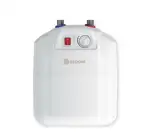
- Contents: 7
- Energy class: B
- Type Operation: mécanique
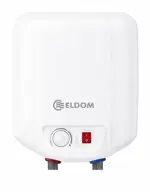
- Contents: 7
- Energy class: B
- Type Operation: mécanique
- Contents: 10
- Energy class: B
- Type Operation: Mechanical
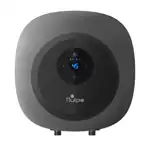
- Contents: 15
- Energy class: B
- Type Operation: Electronisch
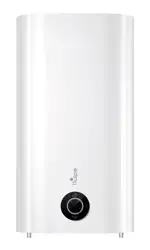
- Contents: 30
- Energy class: B
- Type Operation: Electronisch
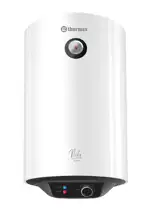
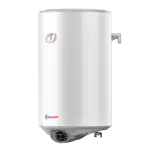
- Contents: 80
- Energy class: B
- Type Operation: Electronisch
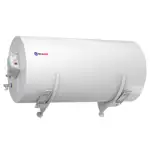
- Contents: 200
- Type Operation: Mechanical
- Energy class: C
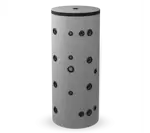
- Contents: 247
- Type Operation: n.v.t.
- Energy class: B
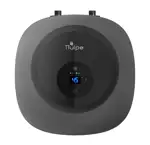
- Contents: 10
- Energy class: B
- Type Operation: Electronisch
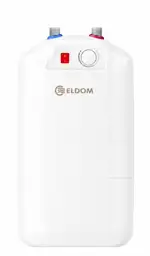
- Contents: 15
- Energy class: B
- Type Operation: Mechanical
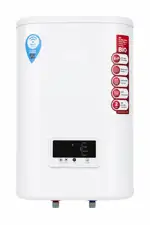
- Contents: 26
- Energy class: B
- Type Operation: Electronisch